Accessibility Tools

Skip to main content

See Something? Say Something! Report Suspicious Activities Here! - PCTAM.NET

Quick Translate

Primary

Community Climate Adaptation and Resilience Plan (CCARP)
Community Climate Adaptation & Resilience Plan (CCARP)

Putnam County

CLICK HERE FOR PARTNERSHIP SURVEY

CLICK HERE FOR DRAFT VISION STATEMENT SURVEY
About

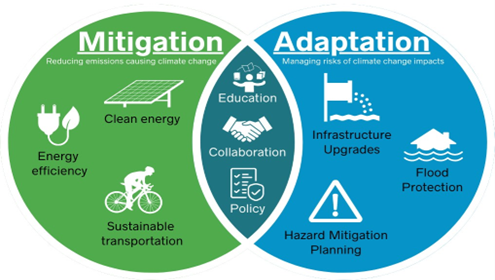
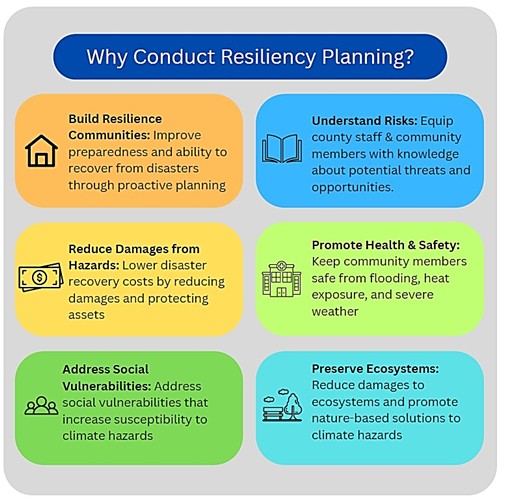
Putnam County is increasingly vulnerable to flooding, extreme heat, and severe storms—hazards that can pose a threat to communities, health, property, and local businesses. To proactively address and plan for these challenges, the County is partnering with the Hudson Valley Regional Council (HVRC) to develop a Community Climate Adaptation and Resilience Plan (CCARP). This County-wide Plan will encompass both a Climate Vulnerability Assessment and Adaptation Plan, integrating data analysis, community input, and strategic recommendations. Once complete, the CCARP will provide a framework for action to support the County in creating a safer, healthier, and more resilient future.
Background
In September 2025, Putnam County passed and signed a Resolution to partner with HVRC on creating a Climate Vulnerability Assessment & Climate Adaptation Plan.

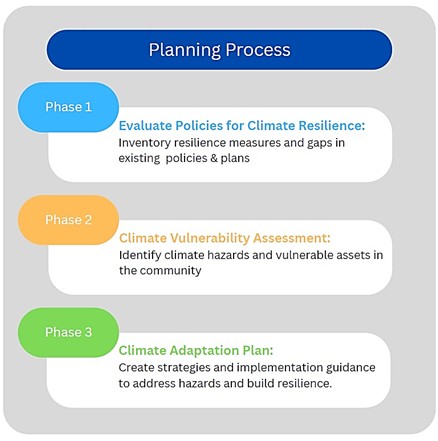
These plans are foundational actions in the DEC CSC program. As a first step, the County and HVRC will research and evaluate current County policies and plans for climate resilience. These projects build on Putnam County’s legacy of climate progress as a Bronze Certified Community through the Climate Smart Communities (CSC) Program. Specifically, throughout this collaboration, Putnam County will complete three CSC Actions that can earn points toward the CSC program.

  1. Producing a Climate Vulnerability Assessment
  2. Evaluating Policies for Climate Resilience
  3. Crafting a Climate Adaptation Plan

HVRC will facilitate the completion of these deliverables free of charge for the County through New York State Department of Environmental Conservation grant funding.
Learn more about the CSC Program and Putnam County’s ongoing work here.

Vision Statement

Putnam County Resilience & Adaptation Draft Vision Statement:

"Putnam County is committed to leading by example in preparing for and adapting to a changing climate. We strive to bolster our resilience to the impacts of climate change that are already occurring while planning for future conditions through innovation, collaboration, and care for our natural and built environments. Together, we will build a vibrant, thriving community that protects what we cherish today and ensures a sustainable future for generations to come."

Feedback

Please share any feedback, ideas, or recommendations about the Draft Vision Statement by completing the survey below or at the top of this page.

CLICK HERE FOR THE DRAFT VISION STATEMENT SURVEY

Project Timeline

PROJECT TIMELINE

  • Project Kick-Off: Fall 2025
  • Evaluate Past Policies: Fall 2025
  • Engagement and Visioning: Fall 2025
  • Public Climate Vulnerability Assessment Survey: Winter 2025/2026
  • Public Outreach and Engagement: Fall 2025 - Spring 2026
  • Complete CCARP Draft: Winter 2026
  • Additional Engagement: Winter/Spring 2026
  • Adopt CCARP: Summer 2026

PAST / UPCOMING EVENTS

Scenario Planning Workshop Part 1

  • Date/Time: February 9, 2026, 2-3:00pm
  • Location: Planning Dept. Conference Room, 841 Fair St., Carmel, NY 10512

    Get Involved!

    This website will be updated regularly throughout the Climate Vulnerability Assessment & Climate Adaptation Planning process with draft plans, opportunities to provide input, and final deliverables. Please see below for past and current opportunities to get involved.

    Climate Vulnerability Assessment: Climate hazards like storms, flooding, and severe heat can impact economic, social, and environmental assets across Putnam County. In order to proactively prepare local communities and infrastructure, Putnam County conducted a public Climate Vulnerability Assessment Survey in Winter 2025/2026 to identify the hazards that pose the largest threats to the area and the assets most at risk. Although the survey period is now closed, the Draft Vision Statement Survey is still available and there will be future opportunities for public involvement. 

    Climate Adaptation Plan: How can Putnam County keep communities, infrastructure, and environmental assets safe from climate hazards? By creating a Climate Adaptation Plan, Putnam County will craft tangible strategies to prepare for the hazards and risks identified in the Climate Vulnerability Assessment.

    • Opportunities to participate in Putnam County’s Climate Adaptation Plan will be posted here starting in Winter 2026.

    Climate Resilience Vision: Putnam County will create a Resilience Vision that will guide and inform its adaptation planning efforts. This visioning process will build off of existing visions and goals for Putnam County and will provide ample opportunities for community input.

    • Upcoming opportunities to shape Putnam County’s Resilience Vision will be posted here.

    Resources

    Questions/Contact Us

    For any questions relating to the above projects, please contact This email address is being protected from spambots. You need JavaScript enabled to view it..

    Contact Putnam County
    Climate Smart


    • Director

      Commissioner

      Barbara Barosa, AICP

    • Climate Smart Coordinator

      Ilona Campo, LEED GA

    Read more …Community Climate Adaptation and Resilience Plan (CCARP)

    • Created on .
    • Last updated on .
    • Hits: 4046

    Public Health Summit

    Public Health Summit

    Putnam County

    PUBLIC HEALTH SUMMIT

    Public Health is for EVERYONE

    About

    The annual Public Health Summit is a forum for community partners to make connections and work together to find solutions for the health problems in our community. This collaboration across all sectors in Putnam County helps to prioritize health issues and improve the health and wellbeing of the Putnam community.

    There is no Public Health Summit planned for 2025. Check back soon for more information.

    2024 Event Information

    • Poster Session

      Thanks to many organizations in Putnam County, residents have access to services and activities that help keep them and our community healthy.

      Check back soon for information about the posters shared at the 2024 Public Health Summit.

    • Community-based Organization and Partner Survey

      Please complete this survey about important health issues in the communities you serve. Please answer based on your experiences through the role you hold at your organization. We expect there will be more than one response per organization. Together, Nuvance Health and local health departments will use the results of this survey and other information to help prioritize community health needs. Your survey responses are anonymous. Thank you for your participation.

      Click here to complete the survey

    • Agenda

      8:30    REGISTRATION & BREAKFAST
      9:00    WELCOME & INTRODUCTIONS
      Michael J. Nesheiwat, MD, Interim Health Commissioner & County Executive Kevin Byrne
      9:15    KEYNOTE: CREATING TRAUMA INFORMED SYSTEMS AND EQUITY OF OUTCOMES
      Andrew Bell, PhD
      10:45  BREAK & POSTER SESSION
      11:15  HOW DO WE ASSESS HEALTH IN PUTNAM COUNTY?
      Alison Kaufman, DVM,  MPH
      12:00  LUNCH
      1:00    COMMUNITY HEALTH IMPROVEMENT AWARD PRESENTED BY:
      Live Health Putnam Coalition
      1:15    COMMUNITY PARTNER SURVEY
      1:30   PUTNAM HOSPITAL’S ROLE IN EXPANDING ACCESS AND ENHANCING COMMUNITY CONNECTIONS
      Mark Hirko, MD
      2:15   COOKIES, COFFEE, AND CONNECTIONS

    2024 Speakers

    • Andrew Bell, PhD
      Creating Trauma Informed Systems and​ Equity of Outcomes

      Click here to view Dr. Bell's presentation

      Dr. Andrew Bell is a licensed clinical psychologist with a Ph.D. from Columbia University and M.A. from New York University. His work in community mental health spans a variety of settings and roles, including outpatient therapist, inpatient psychologist, child psychiatric ER director, director of two school-based crisis programs, and co-developer of a multi-site school-based crisis initiative in the Bronx. Since 2009, he has been Program Director for Westchester County’s Department of Community Mental Health where he oversaw Children’s Mental Health for 10 years, and now leads DCMH’s efforts toward trauma-informed systems change. Andy has published peer-reviewed empirical research on dreams, personality disorders, and public health strategies to avert preventable ER visits and psychiatric hospitalizations. He received Family Ties’ Champion of Children award in 2014 and was recognized in 2015 by Fordham University’s Children and Families Institute for Research, Support, and Training. 

    • Alison Kaufman, DVM, MPH​
      How do we Assess Health in Putnam County?

      Click here to view Dr. Kaufman's presentation

      Alison Kaufman, DVM, MPH is the epidemiologist at the Putnam County Department of Health. In this role, she is responsible for disease surveillance, outbreak investigation and response, routine health assessment, population health initiative evaluation, and special projects conducted to better understand health issues in Putnam County. She is the lead author of the Department’s triennial Community Health Assessment and the annual Putnam Executive Summary of the County Health Rankings and Roadmaps- which she will be discussing with you today. She came to Putnam via the New York State Department of Health where she was a member of the Vector-Borne Disease unit and Coordinator of tickborne disease research projects within the Bureau of Communicable Disease Control before being drafted into COVID-19 response activities supporting the Mid-Hudson Region. Prior to her time at NYSDOH, she led zoonotic and vector-borne disease programs as a Public Health Advisor at the Dutchess County Department of Behavioral and Community Health. Her primary interests are in understanding the interactions between pathogens, animals, people and the environment, & promoting a “One Health” approach to Public Health. She holds a Doctorate in Veterinary Medicine from Cornell University and a Master’s Degree in Public Health from the University of Iowa.  

    • Mark K. Hirko, MD, FACS
      Putnam Hospital’s Role in Expanding Access ​and Enhancing Community Connections

      Click here to view Dr. Hirko's presentation

      Dr. Mark Hirko, a healthcare executive with diverse clinical and academic leadership experience, is the president of Putnam Hospital in Carmel, NY. The hospital is part of Nuvance Health.
      Dr. Hirko began his tenure with Health Quest Medical Practice in 2017 as associate vice president of surgical services, women’s health, and medical specialties. He collaborated with senior and physician leadership to enhance care across the system and helped develop undergraduate and post-graduate medical and surgical education programs.
      An Ohio native with more than 30 years of experience in surgery, Dr. Hirko previously held the position of chair of the department of surgery, director of the general surgery residency program, and medical director of the vascular lab at Monmouth Medical Center, part of RWJBarnabas Health System, in Long Branch, N.J.
      Dr. Hirko completed his vascular surgery fellowship at Loyola University Medical Center in Maywood, Ill., and a general surgery residency at Akron City Hospital, a member of Summa Health System, in Akron, Ohio. He earned his medical degree from the Wright State University in Dayton, Ohio. He also received bachelor’s and master’s degrees in biology from the University of Akron.
      Outside of the office, Dr. Hirko enjoys golf, exercise and traveling to Manhattan with wife, Pamela, to visit their two children

    Community Health Improvement Award

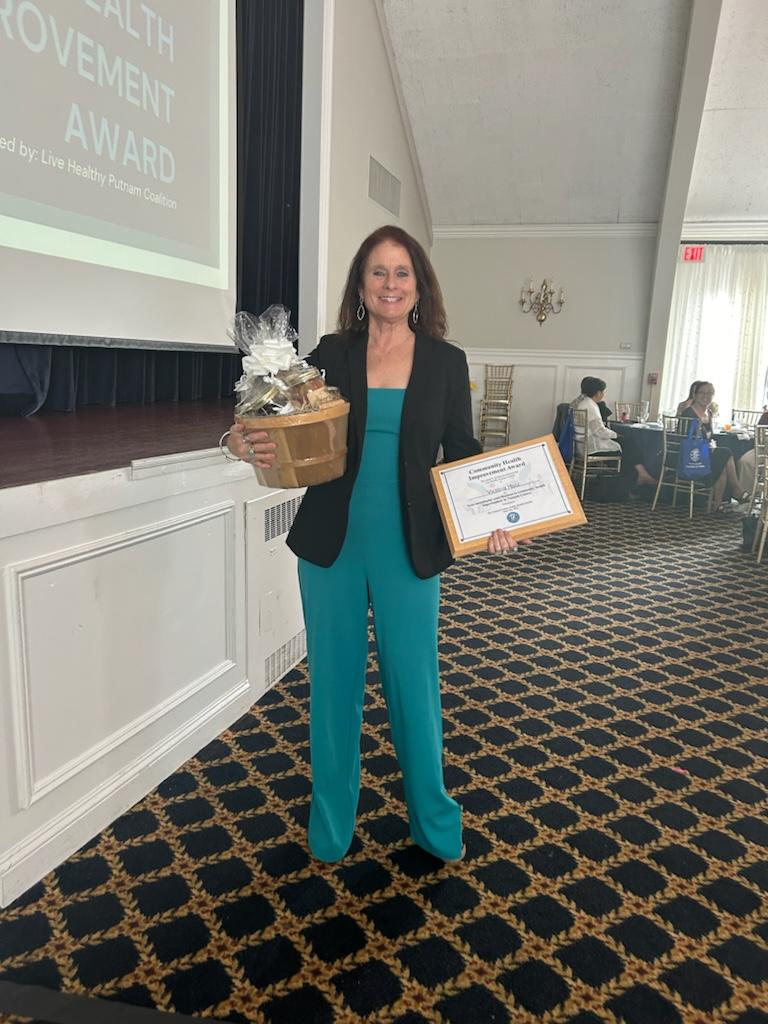
    At the 2024 Public Health Summit the Live Healthy Putnam Coalition recognized an individual who has made meaningful contributions to community health improvement in Putnam County. The criteria for eligibility as a nominee for the Community Health Improvement Award includes: demonstrated contributions to community health improvement, innovative approaches to addressing health disparities, collaboration with diverse stakeholders, measurable impact on public health outcomes, or committed efforts toward addressing the factors that contribute to health (social determinants). The 2024 recipient is:

    Victoria Metz
    Prevention Council of Putnam

    Victoria's vital work as a Certified Recovery Peer Advocate at the Prevention Council has helped Putnam residents on their path to recovery find support, access services, and achieve positive outcomes. She uses her knowledge and skills to help others navigate confusing systems and address barriers to achieving health, such as expanding transportation access through grant opportunities, assisting residents seeking employment or addressing nutrition needs. Victoria consistently treats people with dignity during challenging times. Whether she is accompanying someone to a court date, connecting them with services, or providing a resident with harm reduction supplies, she does so with a person-centered approach. Victoria works directly with people who use drugs, or who are in recovery or on a path to recovery, and recognizes that destigmatization of both substance use disorders and mental health contribute to improvements in overall community health and wellbeing.

    Community Health Improvement Award winner Victoria Metz

    Contact Us

    Welcome Message

    The mission of the Putnam County Department of Health is to improve and protect the health of our community.

    We strive to prevent the spread of disease, protect against environmental hazards, promote healthy lifestyles, ensure access to quality health services, and respond to disasters.

    We encourage you to explore our website and contact us if you have any questions.

    In the event of an emergency, Health Department staff are available 24/7. Please call 845-808-1390 to report a public health emergency, rabies exposure, communicable disease, water outage or sewer overflow.
    If you are a member of the media and would like to contact the health department, please email This email address is being protected from spambots. You need JavaScript enabled to view it..

    Contact the Department of Health


    Public Health Director

    Public Health Director

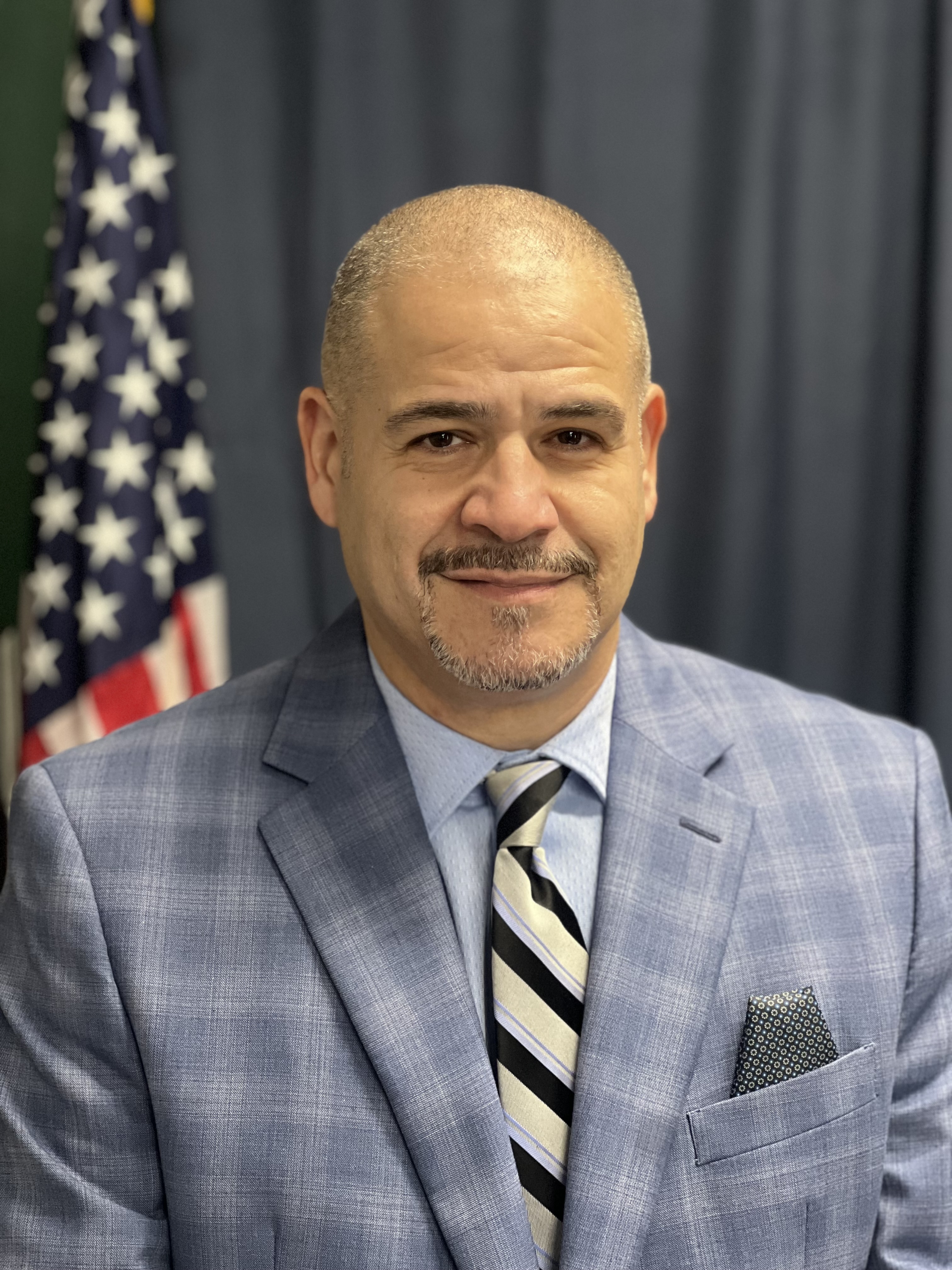
    Rian Rodriguez, MPH

    Read more …Public Health Summit

    • Created on .
    • Last updated on .
    • Hits: 3002

    Health Survey Home

    Health Surveys

    Putnam County

    About

    This page is used as a respository for health surveys & more. 

    Customer Satisfaction
    Survey

    CLICK TO TAKE SURVEY

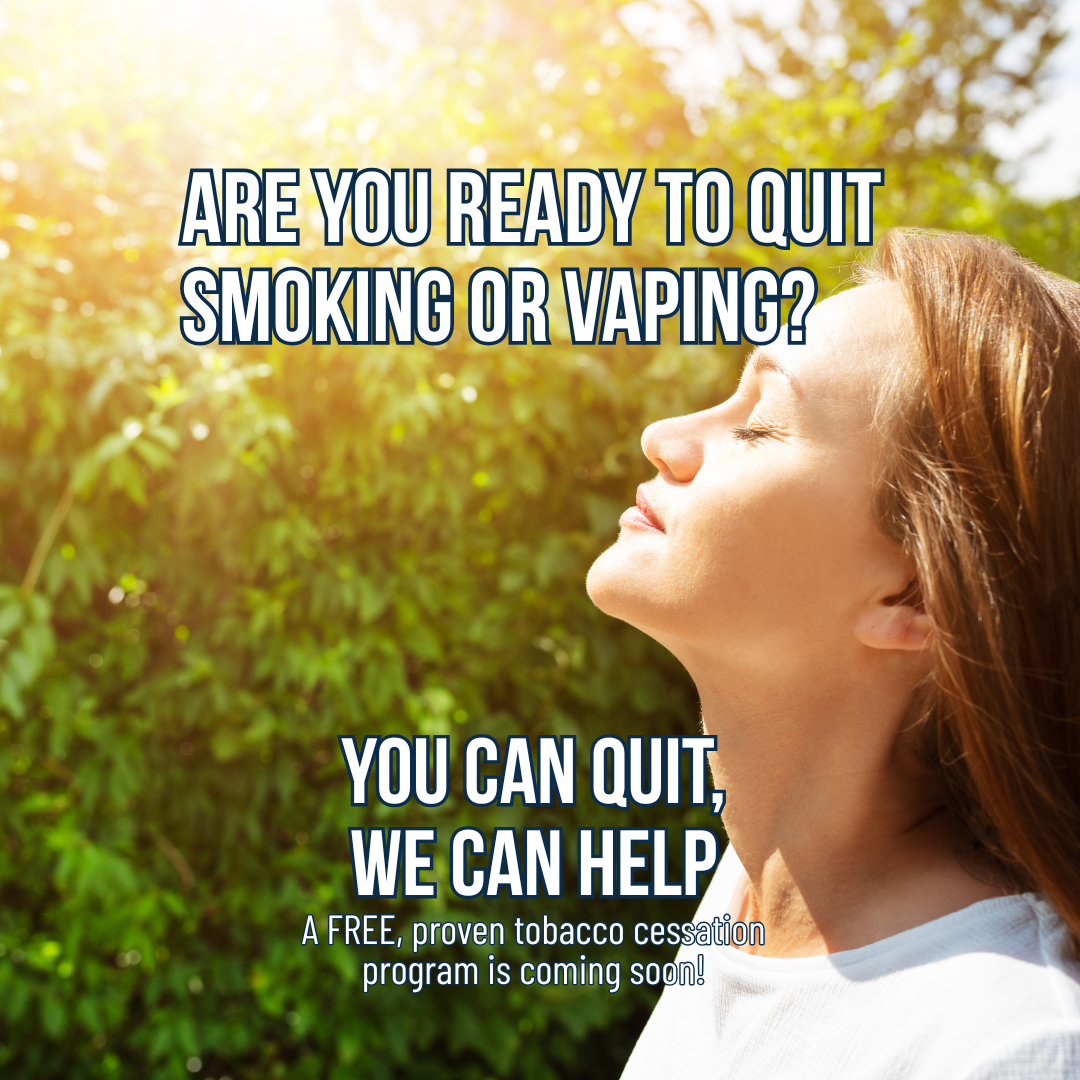
    Are You Ready to Quit Tobacco?

    CLICK TO READ MORE

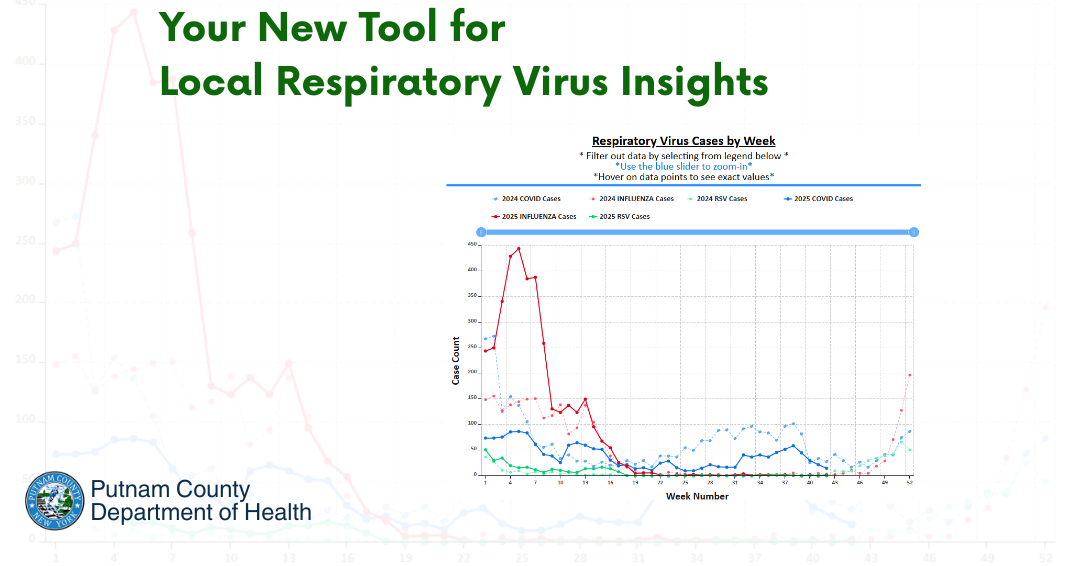
    Your New Tool for Local Respiratory Virus Insights

    CLICK TO READ MORE

    Welcome Message

    The mission of the Putnam County Department of Health is to improve and protect the health of our community.

    We strive to prevent the spread of disease, protect against environmental hazards, promote healthy lifestyles, ensure access to quality health services, and respond to disasters.

    We encourage you to explore our website and contact us if you have any questions.

    In the event of an emergency, Health Department staff are available 24/7. Please call 845-808-1390 to report a public health emergency, rabies exposure, communicable disease, water outage or sewer overflow.
    If you are a member of the media and would like to contact the health department, please email This email address is being protected from spambots. You need JavaScript enabled to view it..

    Contact the Department of Health


    Public Health Director

    Public Health Director

    Rian Rodriguez, MPH

    Read more …Health Survey Home

    • Created on .
    • Last updated on .
    • Hits: 520

    ClimateSmart

    Climate Smart

    Putnam County

    • CLIMATE SMART COMMUNITIES

    About

    The Climate Smart Communities (CSC) Program began in 2009 as an interagency initiative of New York State. The CSC program is jointly sponsored by the following six NYS agencies: Department of Environmental Conservation (DEC); Energy Research and Development Authority (NYSERDA); Department of Public Service; Department of Transportation (DOT); Department of Health (DOH); and the Power Authority (NYPA). DEC acts as the main administrator of the program. The program helps local governments take action to reduce greenhouse gas emissions and adapt to a changing climate. To learn more visit https://climatesmart.ny.gov/about/

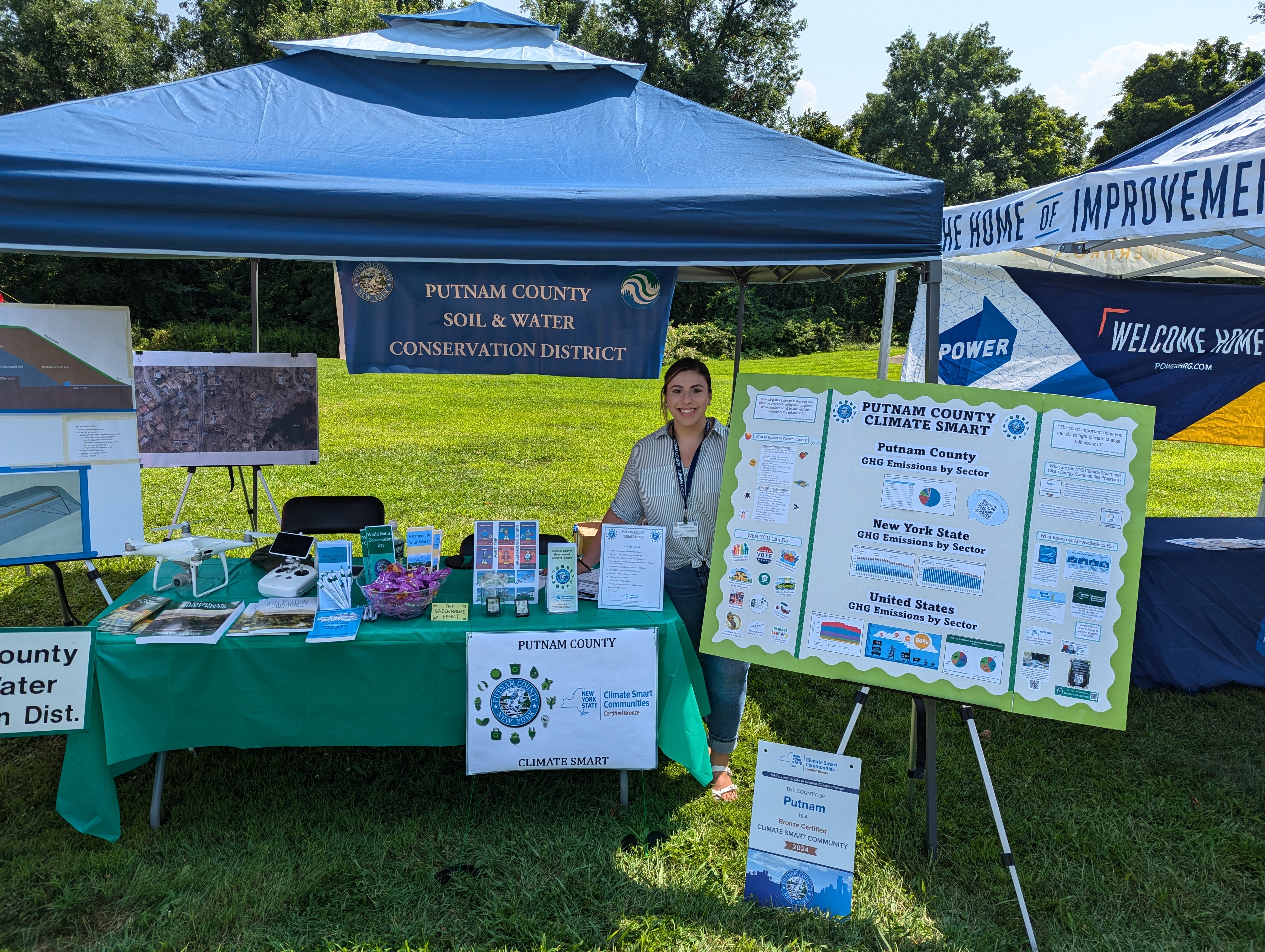
    The Putnam County Climate Smart website is featured as an affiliate webpage under the Department of Planning, Development, and Public Transportation, the department leading the County's Climate Smart efforts. This site is intended to only reflect the efforts/initiatives that Putnam County as its own municipality has taken to mitigate and adapt to the climate crisis. Additionally, this site will act as an educational resource to residents and other municipalities interested in achieving a lower carbon footprint and sustainable lifestyle. Other municipalities have the opportunity to register and/or certify as a CSC and create their own programs.

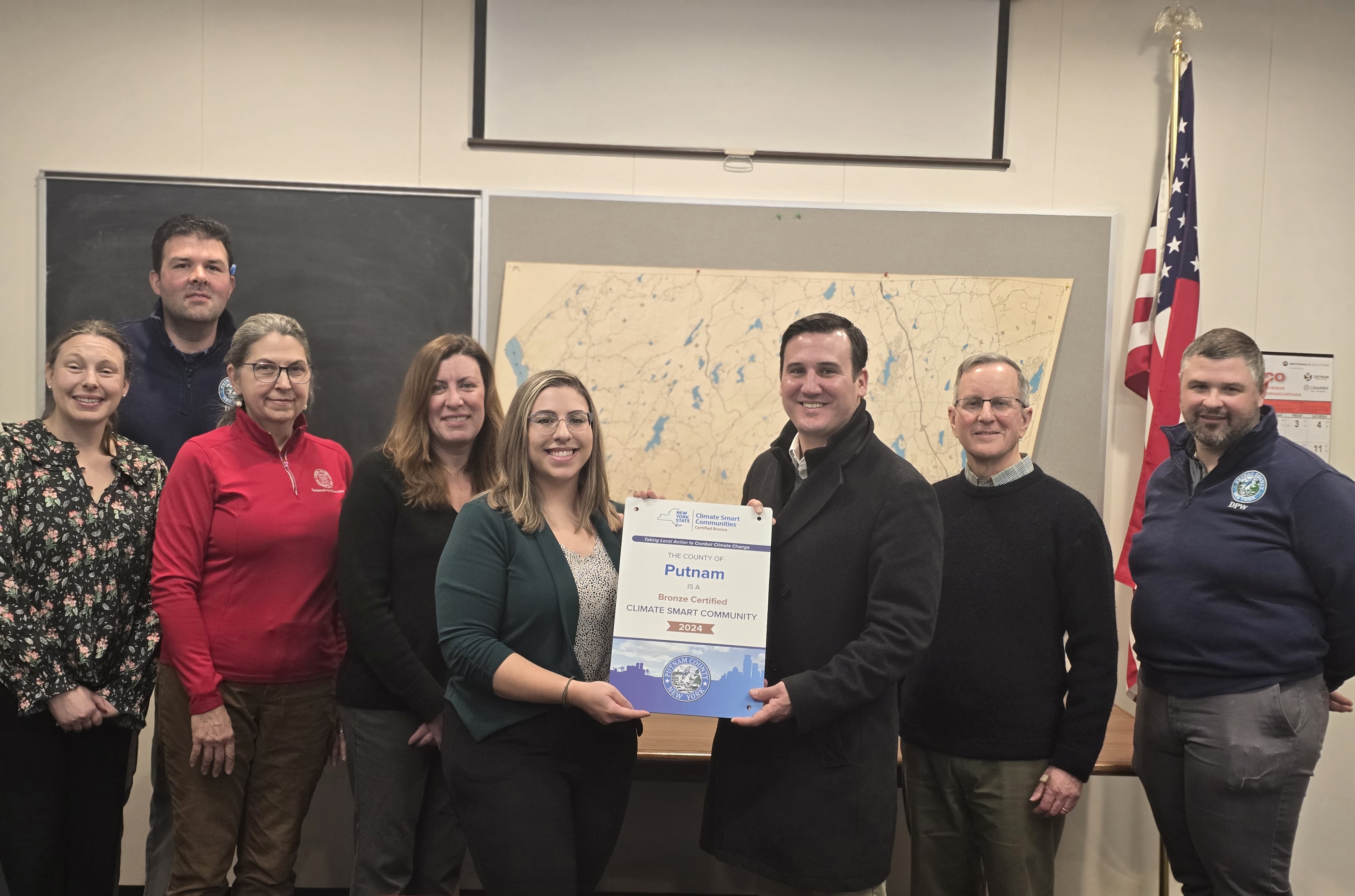
    Putnam County officially became a Bronze Certified Climate Smart Community in June 2024. To read the final report click here.

    The list of registered/certified communities within Putnam and their websites are as follows:


    Climate Change

    What is Climate Change?

    Climate change refers to long-term shifts in temperatures and weather patterns. Such shifts can be natural, due to changes in the sun’s activity or large volcanic eruptions. But since the 1800s, human activities have been the main driver of climate change (aka anthropogenic climate change) primarily due to the burning of fossil fuels like coal, oil and gas. Burning fossil fuels generates greenhouse gas emissions that act like a blanket wrapped around the Earth, trapping the sun’s heat and raising temperatures. The main greenhouse gases that are causing climate change include carbon dioxide (CO2) and methane (CH4). Popular sources of CO2 emissions include combustion engines (gasoline and diesel), coal and natural gas burning for heat and energy, and deforestation (removal of carbon sinks). 87% of all human-produced carbon dioxide emissions come from the burning of fossil fuels like coal, natural gas and oil. Major sources of CHemissions include agriculture, oil and gas operations, wastewater treatment, and landfills. Energy, industry, transport, buildings, agriculture and land use are among the main sectors causing greenhouse gases. (Source: United Nations)

    “Climate change” and “global warming” are often used interchangeably but have distinct meanings. Similarly, the terms "weather" and "climate" are sometimes confused, though they refer to events with broadly different spatial and time scales. Climate change refers to changes in weather patterns and growing seasons around the world. It also refers to sea level rise caused by the expansion of warmer seas and melting ice sheets and glaciers. Global warming causes climate change, which poses a serious threat to life on Earth in the forms of widespread flooding and extreme weather. (Source: NASA)

    • Climate Change on a National Level

      Climate change effects can be seen and felt across the entire United States. To learn more about regional impacts of climate change, visit https://climatechange.chicago.gov/climate-impacts/climate-change-impacts-region.

      • In the Northeast, heat waves, heavy downpours, and sea level rise continue to compromise infrastructure, agriculture, fisheries, and ecosystems. As such, many states and cities are beginning to incorporate climate change into their planning activities.
      • In the Northwest, changes in the timing of peak flows in rivers and streams are reducing water supplies and worsening competing demands for water. Sea level rise, erosion, flooding, risks to infrastructure, and increasing ocean acidity pose major threats. Increasing wildfire incidence and severity, heat waves, insect outbreaks, and tree diseases are causing widespread forest die-off.
      • In the Southeast, sea level rise poses the greatest threat to the region's economy and environment leading to decreased freshwater availability. Extreme heat waves will continue to effect public/environmental health, energy, agriculture, and more.
      • In the Midwest, extreme heat, heavy downpours, and flooding continue to effect infrastructure, public health, agriculture, forestry, air and water quality, and more.
      • In the Southwest, climate change has brought about increased heat, drought, and insect outbreaks making wildfires and vector transmitted diseases more severe. In coastal areas, flooding and erosion are additional concerns. (Source: NASA)
    • Climate Change on a State Level

      According to the NYSDEC "the annual statewide average temperature in New York has warmed 3°F (0.6°F per decade) since 1970. The state's average temperatures are projected to rise by as much as another 3°F by 2080 with the greatest warming occurring in the northern parts of the state. Rising annual temperatures are already having widespread impacts on New York's communities and ecosystems and impacts are expected to increase. New York State's changing climate may no longer be able to support the types of plants, insects, and wildlife living in New York, particularly those in high-elevation regions like the Catskills and Adirondacks. As New York's temperatures increase, these species will extend their range north, impacting the industries and economies that depend on them such as fishing, hunting, and tourism." 

      Across the northeastern U.S., winters are warming faster than any other season. Over the last century, average winter temperatures have increased by approximately 3°F, spring temperatures by 2°F, and summer and fall temperatures by 1.4°F. Warmer winter temperatures and fewer days below freezing bring winter precipitation in the form of rain casuing reduced snow cover and earlier spring snow melt. Reduced snow cover not only effects winter tourism in the State but also increases the vulnerability of certain plants that depend on snow for insulation, and wildlife that depend on snow for protection from predators during the winter.

      Warmer winters in New York are also affecting the winter-spring season transition, impacting the timing of blooming for trees and flowers which migrating and hibernating wildlife depend on for food. Changes to the timing of the winter-spring transition can also impact agriculture by extending the length of the growing season, with the last frost of winter occurring earlier in the year. Although increasing the length of the growing season can have advantages, it can also impact the types of crops that can be grown, encourage invasive species, weed growth, and crop diseases, and increase demand for irrigation. (Source: NYSDEC)

      Many states have taken action against climate change and its effects by incorporating mitigation and adaptaion planning strategies for example. Specifically, New York State created the Climate Smart Communities (CSC) program in 2009 to ensure that statewide municipalities would act on climate change and its impacts. NYSERDA's Clean Energy Communities (CEC) program began in 2016 to encourage local governments in New York State to implement clean energy actions, save energy costs, create jobs, and improve the state of our environment.

      To learn more about the impact of climate change in New York, visit https://dec.ny.gov/environmental-protection/climate-change/new-york-response

    • Climate Change on a County Level

      As is the case with most of the United States, Putnam County and the Hudson Valley area are no strangers to the impacts of climate change. In short, below is an outline of the challenges that lie ahead for our region. 

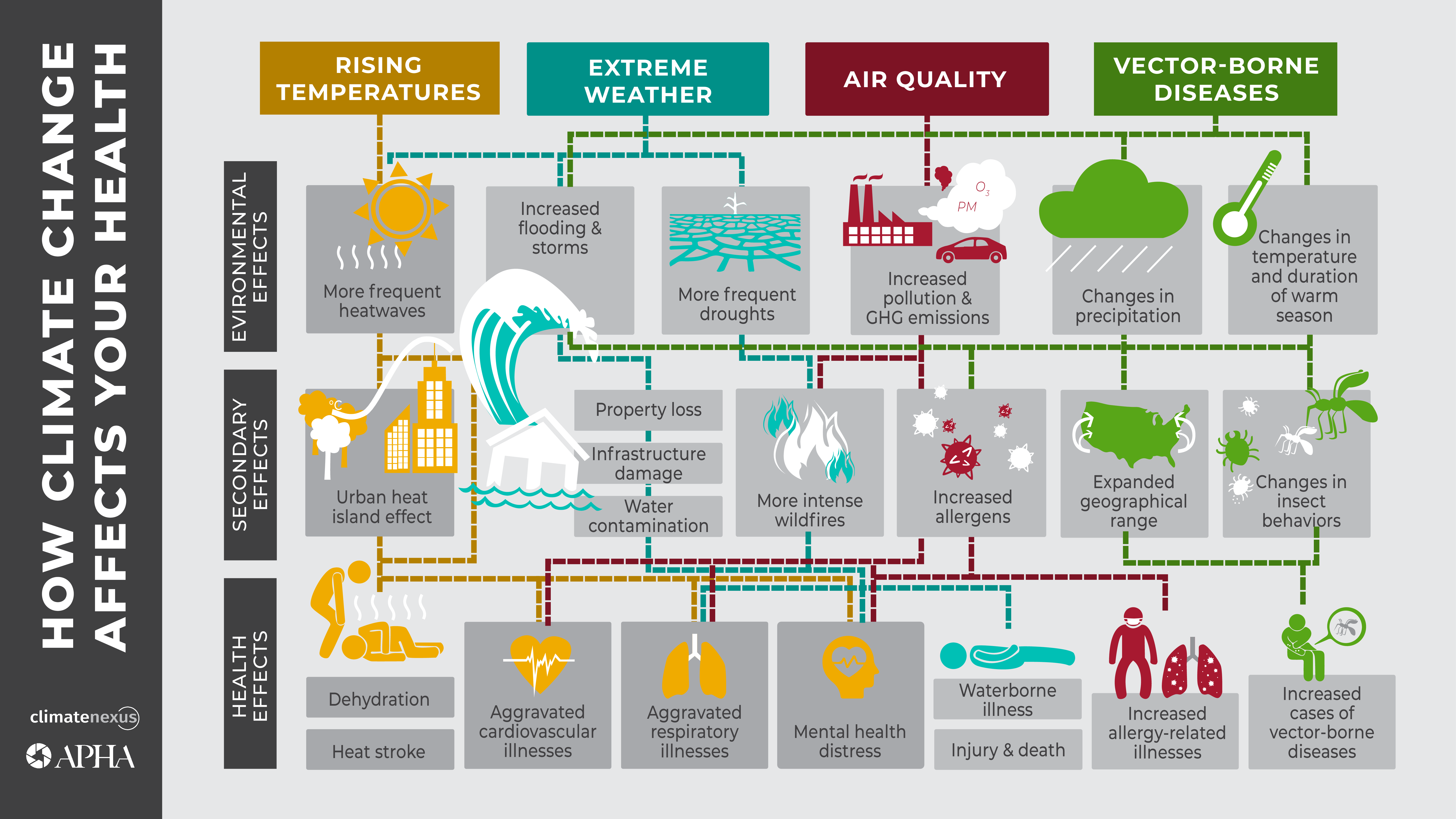
      Rising Temperatures:

      • Heat waves affecting disabled, elderly, children and other vulnerable individuals.
      • Increase in vector born (ticks, mosquitos, fleas, etc.) infectious disease rates such as Lyme Disease, Zika Virus, West Nile Virus, etc.
      • Increase in insect reproduction rates
      • Increase in invasive species: Emerald Ash Borer, Giant Hogweed, Japanese Stiltgrass, Jumping Worm, Spotted Lanternfly, Swallow Worts, etc.
      • Rising sea levels: Atlantic Ocean expected to rise 2ft - 4.5ft by the year 2100. Since the Hudson River eventually reaches the Atlantic Ocean, it is expected to rise at the same rate.
      • Longer pollen seasons
      • Shorter winter recreational seasons (skiing, snowboarding, tubing).


      Heavier/Frequent Rainfall:

      • Flooding and erosion (possible infrastructure failure)
      • Difficulty farming
      • Climate refugees from NYC/LI/NJ due to rising sea levels and tropical storms/hurricanes causing development pressure on open space.
      • Damaged crops (apples, peaches, pears, blueberries, etc.)
      • Delayed harvest dates and reduced crop yields.
      • Increase in waterborne diseases via overwhelmed wastewater and stormwater systems (untreated water may be released into local water bodies).


      To learn more about how climate change is impacting the Hudson valley region, visit https://theotherhudsonvalley.com/2018/11/29/climate-change-hudson-valley/ and https://cceputnamcounty.org/natural-resources/invasive-species.


    Information

    Climate and Health

    EV Charging Station Locator

    Loading alternative fueling station locator...

    Contact Us

    Mission Statement

    The Planning Department is open from 9am to 5pm Monday through Friday with the exception of Summer Hours from mid-June through mid-September (8am - 4pm).

    The Putnam County Climate Smart initiative was undertaken by the Department of Planning, Development, and Public Transportation in order to take action to reduce greenhouse gas emissions and adapt to a changing climate.

    Contact Putnam County
    Climate Smart


    • Director

      Commissioner

      Barbara Barosa, AICP

    • Climate Smart Coordinator

      Ilona Campo, LEED GA

    Read more …ClimateSmart

    • Created on .
    • Last updated on .
    • Hits: 30705

    Putnam County's "Early Learning Center: A ThinkDIFFERENTLY Initiative"

    Early Learning Center: A ThinkDIFFERENTLY Initiative

    Putnam County's

    Welcome Message

    The mission of the Putnam County Department of Health is to improve and protect the health of our community.

    We strive to prevent the spread of disease, protect against environmental hazards, promote healthy lifestyles, ensure access to quality health services, and respond to disasters.

    We encourage you to explore our website and contact us if you have any questions.

    In the event of an emergency, Health Department staff are available 24/7. Please call 845-808-1390 to report a public health emergency, rabies exposure, communicable disease, water outage or sewer overflow.
    If you are a member of the media and would like to contact the health department, please email This email address is being protected from spambots. You need JavaScript enabled to view it..

    Contact the Department of Health


    Commissioner of Health

    Commissioner of Health

    Michael J. Nesheiwat, MD

    Read more …Putnam County's "Early Learning Center: A ThinkDIFFERENTLY Initiative"

    • Created on .
    • Last updated on .
    • Hits: 999